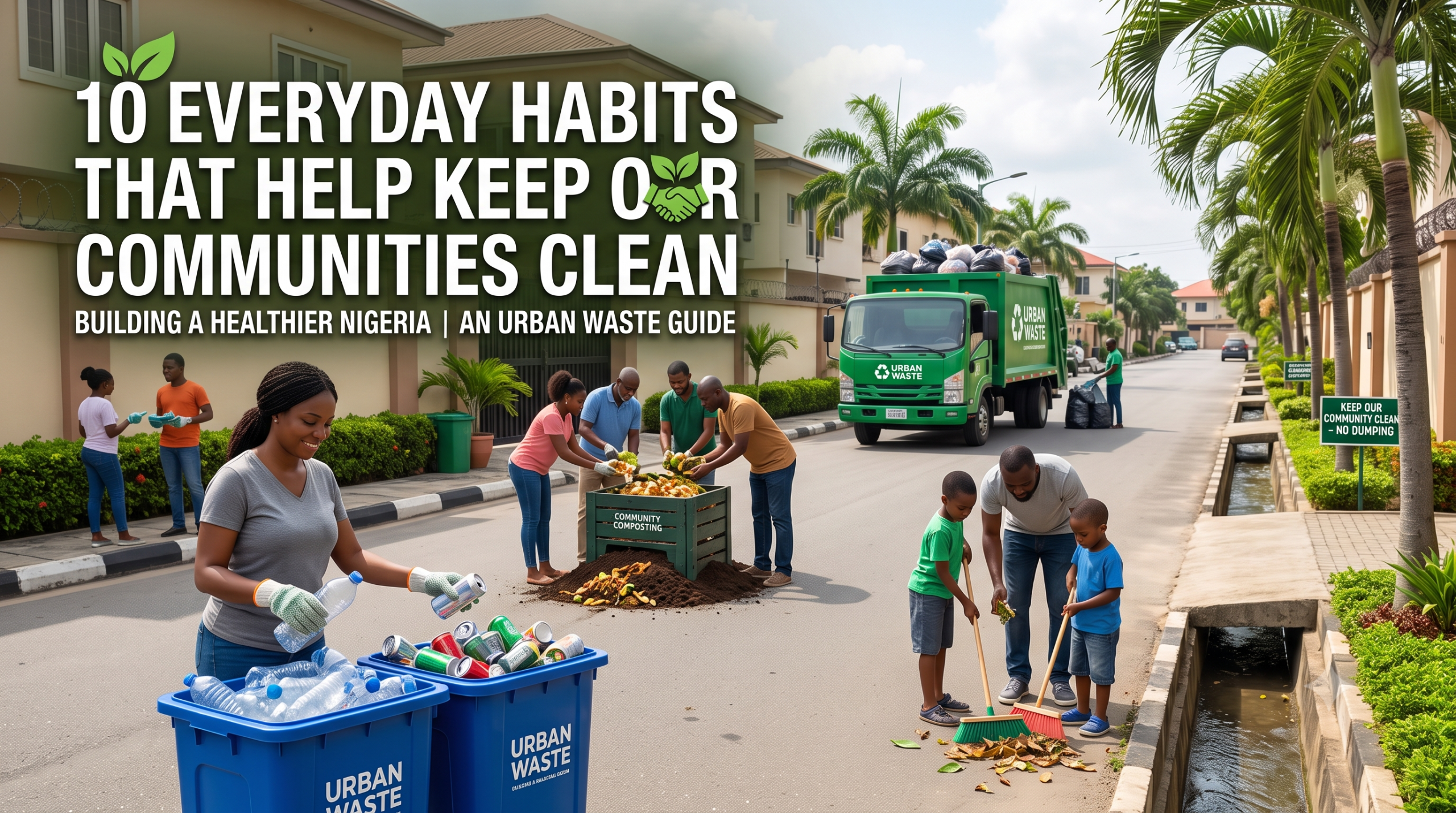
We all love walking through a neighborhood with swept streets, clear drainages, and fresh air. But keeping our surroundings clean isn’t just the work of municipal street sweepers or local authorities—it starts right at our doorsteps.
Building a cleaner, healthier living environment doesn’t require grand gestures or massive investments. Often, it comes down to small, consistent choices we make every day. When individuals, families, and businesses adopt simple hygiene habits, entire neighborhoods transform.
Here are 10 practical, everyday habits you can adopt today to help keep our communities clean, safe, and beautiful.
1. Separate Recyclable Materials at Home
Instead of throwing everything into one trash bin, take a few extra seconds to sort your waste. Separate plastic bottles, glass containers, aluminum cans, and paper from organic food scraps.
Sorting at the source keeps recyclables clean and makes it much easier for recovery facilities to process them, reducing the volume of waste sent to landfills.
2. Reduce Single-Use Plastics
From polythene bags at local markets to takeaway water sachets, single-use plastics are everywhere—and they take hundreds of years to decompose.
Try adopting these simple swaps:
- Carry a durable fabric bag when grocery shopping.
- Keep a reusable water bottle in your bag or vehicle.
- Decline extra plastic bags when buying small items you can carry by hand.
3. Dispose of Trash Responsibly
It sounds simple, but littering remains one of the primary causes of dirty streets. Dropping a sweet wrapper, a plastic bottle, or a ticket stub on the ground may seem harmless in the moment, but hundreds of people doing the same thing creates massive litter heaps.
If there isn’t a trash bin nearby, hold onto your rubbish until you find one or dispose of it when you return home.
4. Keep Drainage Channels Clear
Blockages in gutters and drainage channels are a major trigger for localized flooding during heavy rains. Never sweep yard debris, leaves, or plastic waste into roadside gutters.
Regularly check the drain in front of your home or shop to ensure water flows freely. Keeping drainage clear prevents foul odors, stagnant water, and mosquito breeding grounds.
5. Compost Organic Waste Where Possible
Did you know that over half of household waste in Nigeria consists of organic materials like banana peels, cassava stalks, and food scraps?
If you have space in your garden or backyard, set up a simple compost pit or heap. Organic scraps break down into rich nutrient-filled soil for gardening, reducing the overall weight and odor of your household garbage bin.
6. Avoid Illegal Dumping
Dumping household waste on unbuilt plots of land, roadside verges, or into water bodies during rainstorms creates severe long-term environmental hazards.
Illegal dumpsites attract rodents, contaminate underground water, and lower property values across the neighborhood. Always make sure your waste goes to registered, licensed collectors.
7. Participate in Community Clean-Up Efforts
Community action is one of the most effective ways to foster togetherness and maintain neighborhood hygiene.
Whether it is participating in monthly environmental sanitation exercises or organizing a weekend street sweep with neighbors, working together builds a strong sense of pride in your local area.
8. Report Illegal Waste Disposal
When people see illegal dumping go unchecked, it encourages others to do the same. If you notice persistent dumping in unapproved areas or unauthorized trucks discharging waste illegally, report it to your local environmental health officers or estate management.
Protecting your community’s environment requires active vigilance.
9. Encourage Neighbors and Colleagues
Good habits are contagious! Share practical tips with your family members, roommates, and office colleagues.
Educate children early about the importance of using trash bins and picking up after themselves. Gentle reminders and setting a good personal example go a long way in shaping community culture.
10. Support Local Recycling Initiatives
Look out for local recycling hubs, private collectors, and social enterprises operating in your city. Many organizations offer door-to-door pick-ups or buy-back hubs where you can trade sorted plastic waste for cash or reward points.
By supporting these initiatives, you strengthen the green economy and encourage sustainable waste practices in your area.
Conclusion
A clean community is not created by chance; it is built by people who choose to care for their surroundings every day. By making small adjustments to how we handle waste at home and at work, we can prevent urban flooding, reduce health risks, and create neighborhoods we are proud to call home.
Every small action contributes to a cleaner environment. Start with one habit today and inspire others to do the same. If your business, home, or estate needs structured waste management solutions, reach out to Urban Waste today!
Leave a Reply